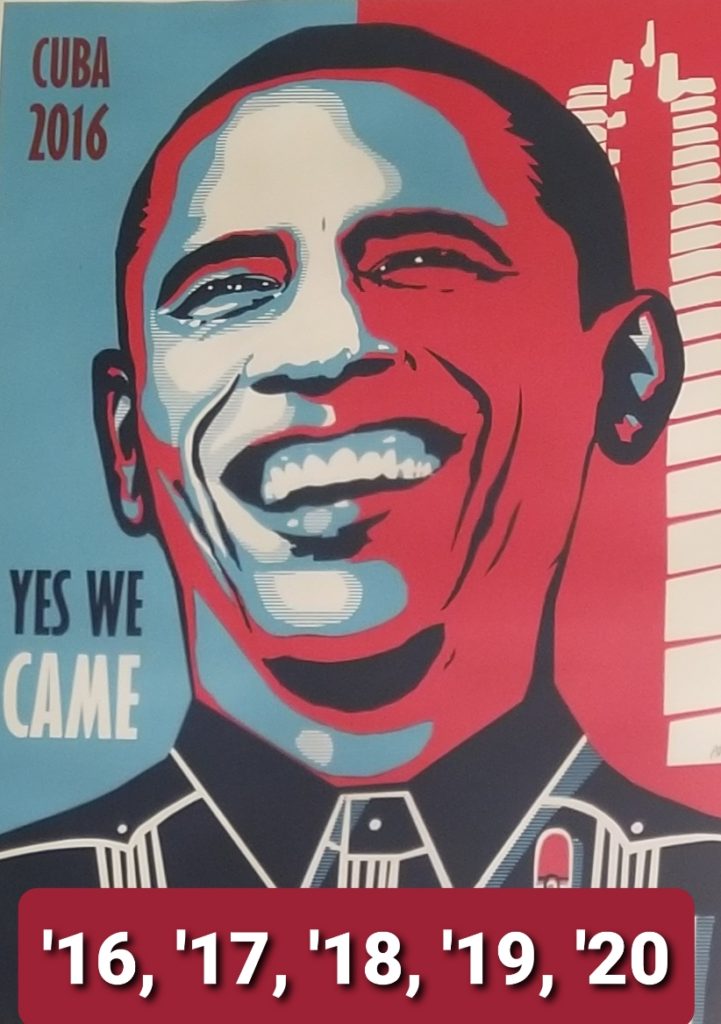
Reemberto Rodriguez (January 2020)
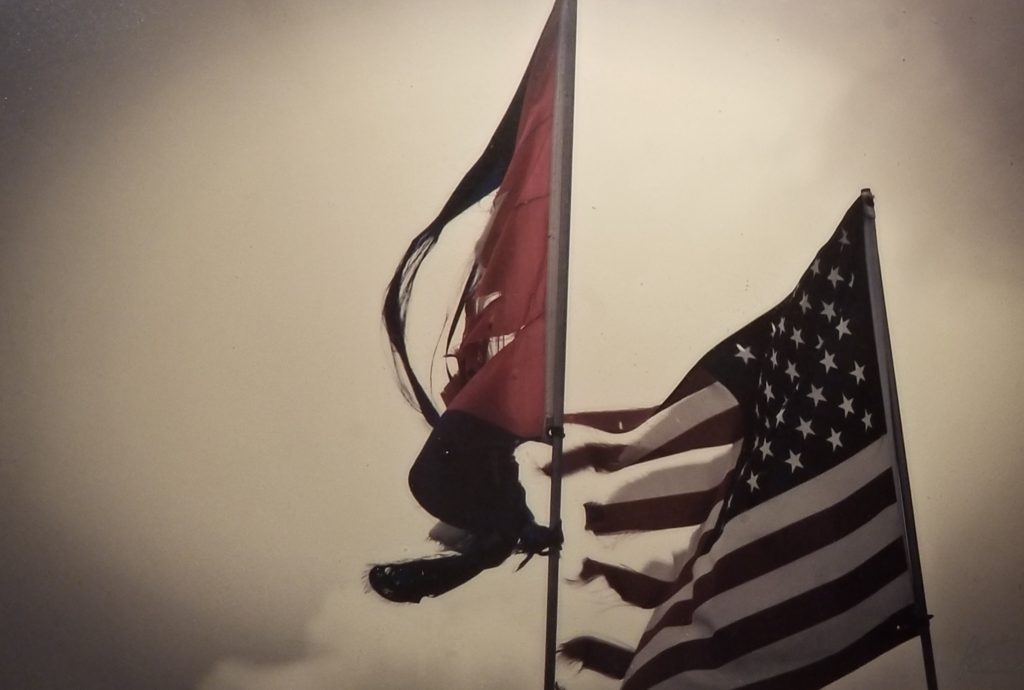
What an amazing journey to Cuba. It was wonderful to visit with companions from the States that are authentically interested in being with the Cuban people, understanding their situation, and offer mutual support. What a journey!
We laughed, we cried. We had fun, and we were distraught. We danced, and we prayed… And of course we played dominoes, smoked cigars, and drank rum.
Most important: We were with the Cuban people, side by side, engaging and conversing about life and the universal desire to relate with each other regardless of institutional or governmental conditions and impositions.
… and we connected. We connected with artists, entrepreneurs, and faith leaders. Some in the group also connected with old friends, and relatives they had never before met.
(Scroll down for full reflection.)
.
PICTURES
https://photos.app.goo.gl/AwFGhQLhrsBWV4Lx9
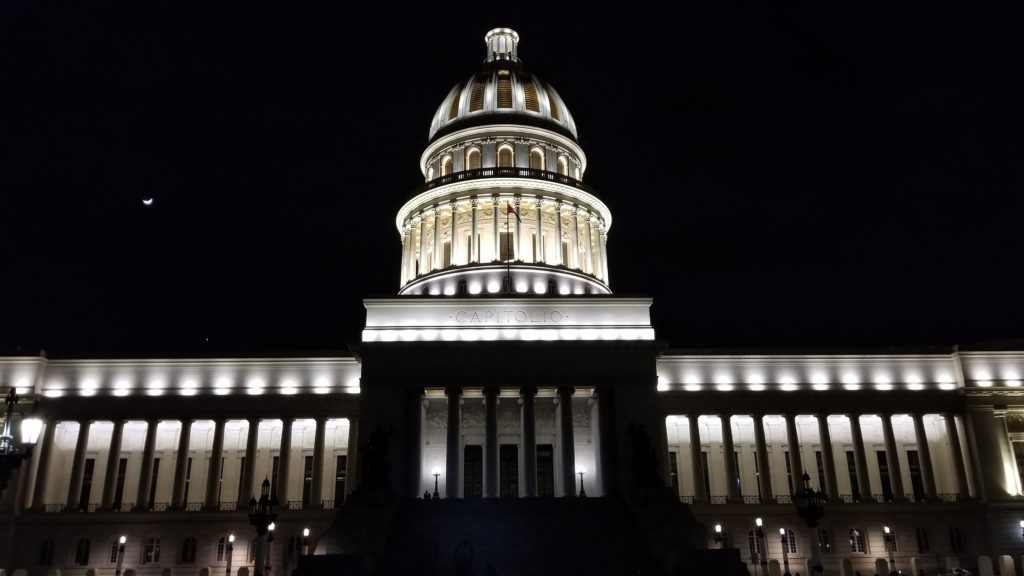
Getting there, arrival dinner, walking around, Cathedral Plaza, Centro Varela, Museo de Arte, Capitolio, Malecón, Fabrica de Arte Cubano, Cementerio Colón, more walking around, Hotel Nacional, Ballet, Havana at night
En Facebook: La Habana. Unica. Una joven que cumplió 500 años, Abusada pero no gastada. Cansada pero no derrotada. Sufre y vive. Llora y canta. Desafío y esperanza. Recordando lo que fue; agonizando de lo que es; y soñando de lo que pudiera ser.
.
https://photos.app.goo.gl/HHTpKx6EWhmoKThf7
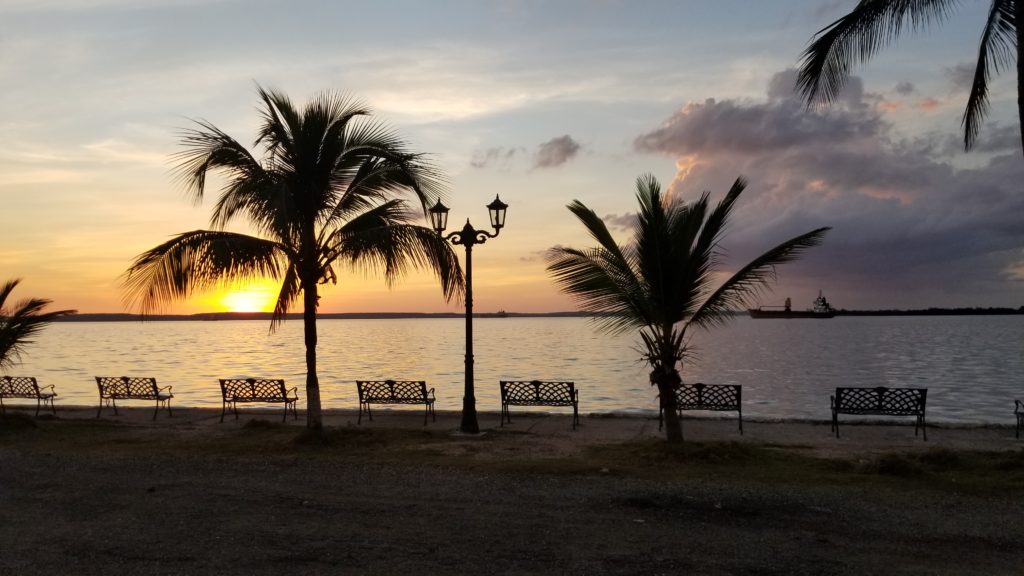
Stop at Aguada de Pasajeros for lunch, Cathedral, Teatro Terry, Viejo colegio Jesuita, Castillo de Jagua, stadium, walking around, Casa Valle, Dominoes, New Year’s
En Facebook: “Cienfuegos es la ciudad que más me gusta a me”, dice Benny. Belleza que trasciende el tiempo. Pobreza que no tiene por que ser.
.
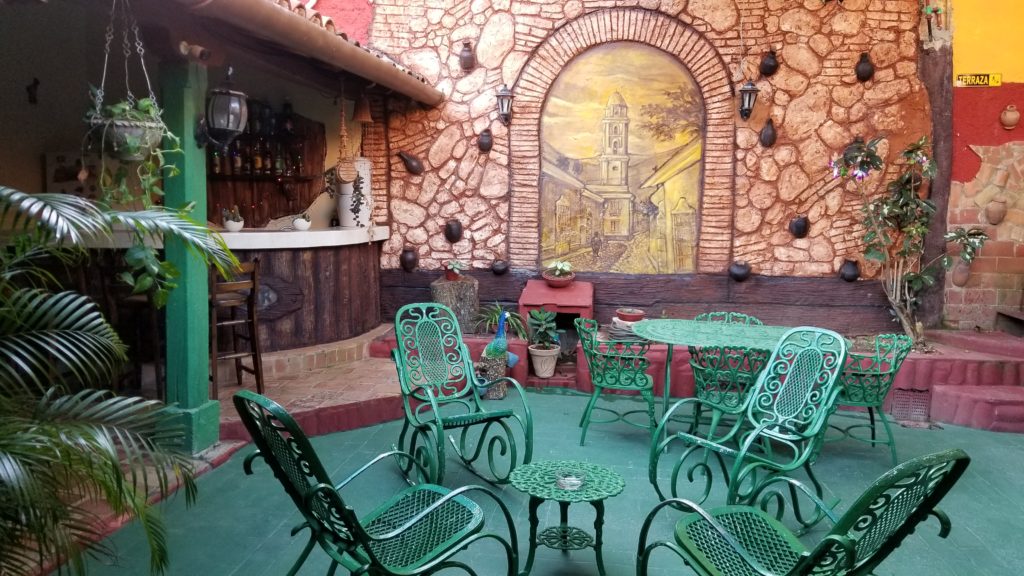
https://photos.app.goo.gl/RTtYf56fiMgErfXm9
Walking around, art galleries and collective conversation, Casa de Trova, Valle de Ingenios, San Isidro, more Trinidad
En Facebook: Trinidad. Más vieja que La Habana – y más necesitada. ¡Si el arte y la naturaleza pudieran hablar!
.
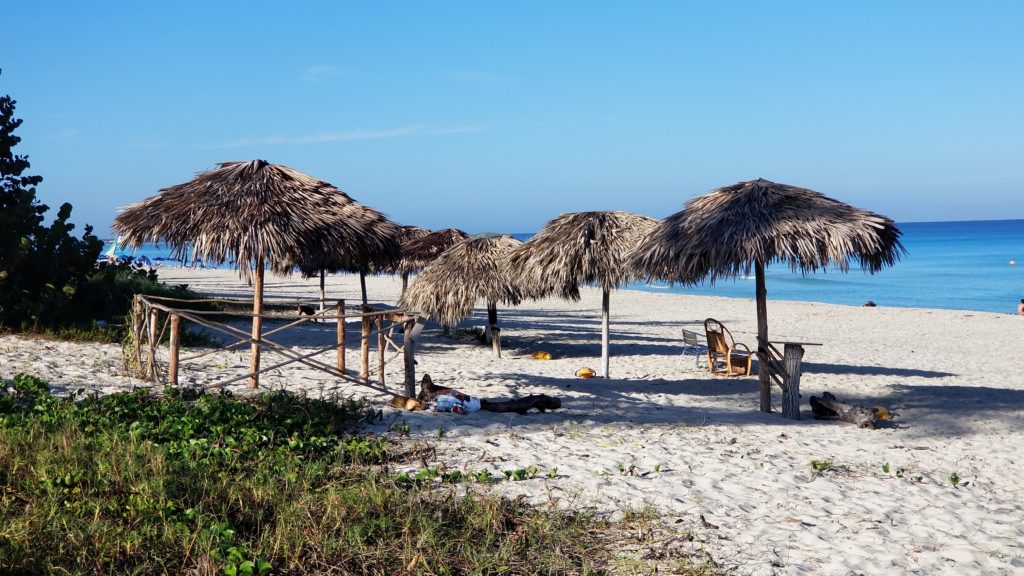
https://photos.app.goo.gl/7iXZnuiNg8ghEQUA9
Drive by Campiña and Perseverancia, then at Varadero: Fidelandia (Marina), Xanadu, walking Varadero, beach, sight and scenes
En Facebook: Fidelandia (aka Varadero) – Donde los poderosos lo tienen todo y los turistas viven la mentira aislado de la realidad Cubana. Pero sigue siendo una bella playa, unica en su arena, agua, y caida del sol. Mientras la pueda visitar la visitaré. Pues el sol cae para todos igual, la arena no discrimina, y el agua esconde las lágrimas.
.
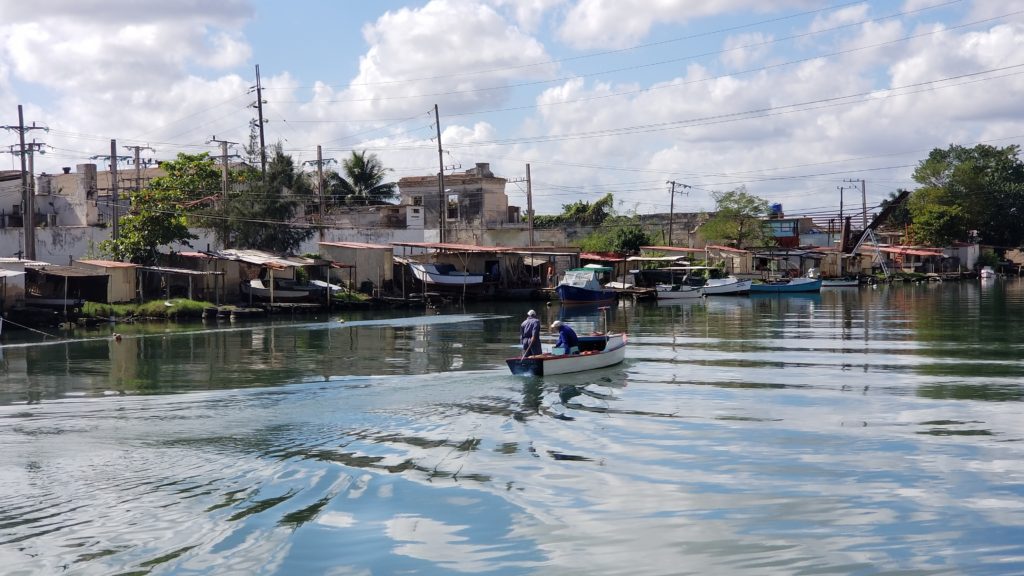
https://photos.app.goo.gl/g9EJJHFbDxmV8iGq5
Walking Matanzas, Riverwalk, galleries, overlook (on way back to Havana)
En Facebook: Matanzas. Una ciudad que esconde. Historicamente bella, con sus edificios y puentes clásicos, y su caminata en el río con galerías de arte. La Atena de Cuba. Pero detrás de estas bellezas está un pueblo cansado y escondido, que se le hace imposible disfrutar de las joyas de la ciudad sin pensar en las necesidades básicas de la vida, dejando poco tiempo para el lujo del arte o historia.
.
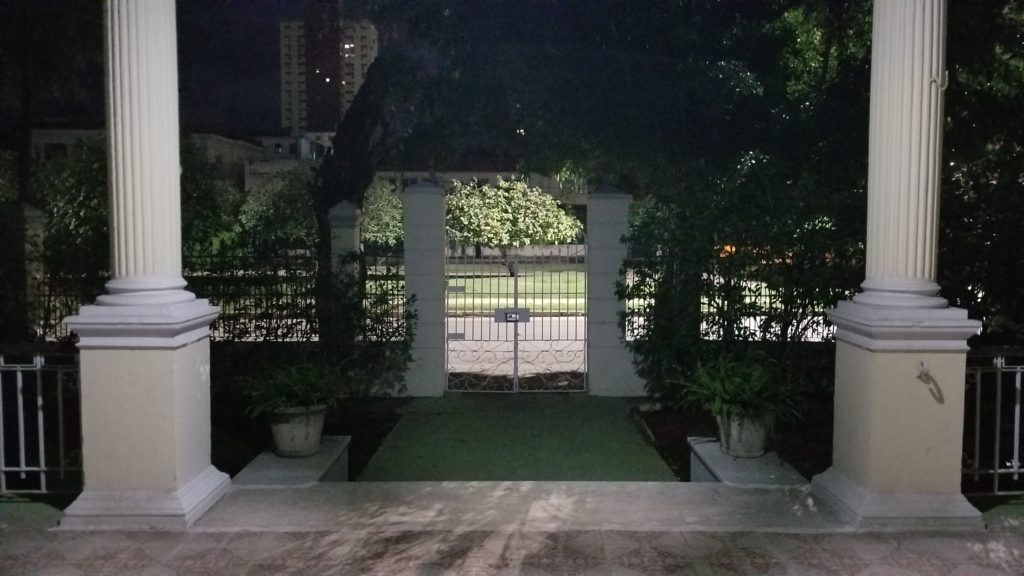
https://photos.app.goo.gl/qLRCuAwRwLE8Bj6t6
Quick stop at Craft Market, dinner at San Cristobal, Good byes, and getting home
.
VIDEO
It is complicated NOW on Google: https://drive.google.com/file/d/1mtl4Ulz_32y__sbI7ZmdFgb4gRSzvYEo/view?usp=sharing
55 minute of vignettes of mini moments plus music performed in restaurants, bars, and more. (In process of developing directory indicating at which minute on the video different moments appear. For now, best simply browse.)
.
REFLECTION
What an amazing journey to Cuba. It was wonderful to visit with companions from the States that are authentically interested in being with the Cuban people, understanding their situation, and offer mutual support. What a journey!
We laughed, we cried. We had fun, and we were distraught. We danced, and we prayed… And of course we played dominoes, smoked cigars, and drank rum.
Most important: We were with the Cuban people, side by side, engaging and conversing about life and the universal desire to relate with each other regardless of institutional or governmental conditions and impositions.
… and we connected. We connected with artists, entrepreneurs, and faith leaders. Some in the group also connected with old friends, and relatives they had never before met.
The members of our group were simply the best. What an eclectic group it was! We had folks that had taken similar journeys to Cuba before; we had folks who were born in Cuba and had never returned; we had folks who were born to Cuban parents and never being; and we had community activists friends – one Catholic the other Jewish – that were simply interested in this uniquely Cuban experience. Being led by someone that knows the Cuban people both in the Island and in the US was critical. We also had a co-leader from Cuba with experience in travel throughout the Island… One could not ask for a more congenial, friendly, fun group with which to journey to Cuba.
We maximized opportunities to interact directly with the Cuban people, including spending money as directly as we could with them. And yes, we also took them simple essentials of life that are difficult to find in Cuba (i.e. toothpaste, shampoo, toothpicks, aspirin, dress pants, shoes, etc.) This was not a ‘touristry’ trip. This was a journey of encounter.
And so the journey began. Some highlights among many – in roughly chronological order:
Havana
- Havana’s ‘maqueta’ (architectural
model of the City) was an instructive way to start the journey. Walking around
– and having dinner – with a local historian helped to understand the City’s rich
history. - Havana just celebrated
its 500th birthday. And it shows. New street lights, refreshed buildings, and
celebratory signs. But, its decay cannot be masked. Much of it is still
crumbling. - The architecture of
necessity is everywhere – old homes turned into multi-family dwellings;
storefronts tucked into tiny spaces. But also of note is the five star hotels
being built. Income disparity on steroids. - The
Fabrica de Arte Cubano (FAC) is unbelievable. An
olive oil plant transformed into an indescribable art space. Performing arts.
Visual arts. Fashion shows. All conceptualized and developed by an entrepreneur
– within a tight government framework. - Visiting the recently
renovated Capitol was awe-inspiring. Seeing the grandeur that once was coming
back to life in this exquisite space was highly instructive to understanding
Cuba’s past and present. - The Colón Cemetery is
always a treat, more so when you visit with someone that finds their ancestors’
resting place. - Attending the National
Ballet’s performance of The Nutcracker was an art experience like no other.
High art is universal. - Visiting the Felix
Varela Center was enlightening indeed. Here you gain a better understanding of
what is possible in today’s Cuba regarding training entrepreneurs to seize the
moments of opportunities, albeit limited as they may be. - When in Havana, walk.
And walk and walk. Experiencing the Plazas, walking from one to the next, stopping
to have a drink and listen to music, observing the people and the architecture
– that is the best way to be Havana. And so we were. - And of course, walking
the Malecón. Mystical. - But most insightful was
talking to the families where we stayed. Their tenacity and capacity to
‘resolver’ (make it work) given the extreme scarcity is truly amazing. True
entrepreneurs.
Cienfuegos
- Then on to Cienfuegos.
But before we got there we had lunch with the good folks at Aguada de
Pasajeros, where some in the group connected with family and friends – and the
good nuns that do so much work there and nearby, including Real Campiña, my
hometown. The necessities of Cubans outside of Havana is so evident.
Transportation is so limited. Access to basic staples so difficult. Yet being
out in the more rural areas provides some opportunity for growing your own –
just don’t mess with the cows; killing one will get you a prison term of 30
years. - Cienfuegos has architectural
gems everywhere you look. Buildings, plazas, and vistas galore. And a bay. - The City recently
celebrated its 200th birthday – a relatively young City. - It’s Teatro Terry was
recently renovated. Its splendor shines. - Benny Moré’s statue in
the Paseo is always a treat to photograph. - Its Malecón may not be
as grandeur as Havana’s but walking it is still fun, with its flashing city
sign welcoming you to Punta Gorda. A beautiful place to watch the sunset. - The Morro in Cienfuegos
is Cuba’s third most prominent. You have to take a small boat ferry to it. And
we did, having lunch at a home/restaurant overlooking the entrance to the Bay –
where we saw a Panamanian oil tanker entering. Petro is tough to get in Cuba,
especially for regular folks. Distribution is tightly controlled – but the
black market still there, controlled as it is. - Dinner in the splendid
Casa de Valle was exquisite. This house built by Spaniards in the early 1800’s
was recently beautifully restored. - The Cathedral is
majestic. Beautiful. Built by Chinese. (Who knew?) - And the old Catholic
school recently ‘returned’ to the Jesuits is a gem – and a renovations
challenge as it was totally misused and abused over the last six decades, being
used literally as a dump by the government. - We spent New Year in
Cienfuegos, celebrating in an independently owned restaurant – and then
continuing the party at one of the paladares where we were staying, playing
dominoes, drinking rum, and smoking cigars, of course.
Trinidad
- What can you say about
Trinidad? So much history! - Older than Havana. And a
place where the oldest profession is rampant. Sex tourism is evidently alive
and well in Cuba. It may be illegal. But it brings in hard currency. - Regardless, this World
Heritage Site is always an amazing place to visit. - Art galleries galore.
Music everywhere. Cobblestones streets. Unmatched vistas. A photographer’s
dream. - Like other major tourist
destinations throughout the world, Trinidad is struggling with the balancing
act of welcoming tourists while maintaining its authenticity. Not an easy
challenge. - There were broken water
pipes in key streets, supposedly scheduled to be replaced in the future –
necessitating the uplifting of the cobblestones… (Good luck!) - Did I say galleries
galore? We visited one that is women owned and all pieces are women-centric. At
another gallery the artists does wood carvings of campesinos. Masterful! - We also visited with a
collective of weavers who shared their techniques of the trade. - And of course we ate at
independently owned restaurants, one in particular that had exquisite food and
service. We met the owner and he was quite a character indeed. - And we played dominoes
and drank rum. - (Logistical note: We
planned to visit Camaguey, but given the new U.S. imposed regulations of having
to fly in and out of Havana we returned to Havana.) - Working our way back to
Havana we stopped to see sugar mill plantations to better understand that
indispensable aspect of Cuban history, including its complexity regarding
slavery through the 19th century, confiscation of all sugar mills in
the last ½ of the 20th century, the failed attempts to produce 10
million tons in the 70’s, and the economics of sugar today. - We also did a ‘drive by’
Real Campiña and Perseverancia, places dear to me personally.
Matanzas
- We spent an afternoon in
Matanzas, where again some of the group’s participants were able to connect
with old relatives. - Matanzas – the “Athens
of Cuba” – was surprisingly alive with a new river-walk lined with artist
studios and a Plaza that rivals any other in Cuba. - As in all major cities
in Cuba, Matanzas illustrates the massive failure of the public sector’s
disregard for classic architecture since 1960. The recent attempts to restore
some of these places – while commendable – yield only token results and leaves
one yearning for what might have been. - Motorcycles everywhere.
They even have a special place to park them. (Talking to the motorcycle owners
was a special treat for one of our group’s members who is a motorcycle
enthusiast.)
Varadero
- We spent one night In
Varadero – the world famous beach – where we stayed at private homes, learning
through conversations with our hosts about the challenges of running their
businesses (i.e.: lack of reliable staples needed to run a hostel – soap, eggs,
bread, towels. One day they are available, the next not so.) - We passed by publicly
owned and operated The Beatles Night Club, an outdoor music venue for rock and
roll. Particularly poignant given that listening to The Beatles was a crime
during the 60’s and 70’s in Cuba. - On our way back to
Havana for our last night in Cuba we made a quick pit-stop at one of Cuba’s
most beautiful overlooks, with the valley below and a 1950’s bridge – and the
world’s best Piña Colada, with as much rum as you’d like.
Back in Havana
- Our ‘closure dinner’ in
Havana was at the same independently owned restaurant where Obama had his
dinner. There we were treated to music by one of our musician friends. - Our last gathering as a
group was in one of the homes some of us were staying where we shared about our
experience. - We laughed. We cried. We
hugged. We committed to keep journeying to Cuba to accompany the Cuban people
in their journeys.
Where are we headed?
Under the current diplomatic approach by the U.S. towards Cuba – “the diplomacy of fear” – it is most likely things will get more difficult over the next few months. (Note: It just did. Charter flights have been given the same restrictions as commercial flights. They can only go in and out of Havana.) If the current Administration in the U.S. continues in power, it will become catastrophic for the Cuban people. Squeezing Cuba is hurting the people of Cuba, not the government. If you don’t believe me, believe the Cuban people, including most dissidents. Their unanimous opinion is that the US imposed restrictions are devastating to the regular folks in Cuba, particularly the entrepreneurs. The Cuban government will not buckle to the US government bullying. They just won’t. Even if they have to repeat the ‘special period’ of the early 90’s.
If there is a change in U.S. administration and the clock is reset to 2015 to pick up where Obama left it, then it will be possible to continue on a path of mutual respect that could lead to a betterment of the Cuban people.
Mutual respect does not mean agreeing on everything. Mutual respect does not mean accepting your governance model as ‘good’. Mutual respect does not mean forgetting the past or sweeping injustices under the rug.
Forgiving does not mean forgetting. Reconciliation does not mean capitulating.
Mutual respect means that while there are aspects of your behavior I want to see changed, I know you can’t turn on a dime – and I am willing to compromise. Mutual respect most importantly means that I will engage you as equal, honoring your dignity, and negotiating in good faith. I will not shame you. I will not bully you even if I am more powerful than you. The Cuban people deserve no less. The American people deserve no less.
Getting ready for that wishful moment when we sit down again to grow our diplomatic relationship under the banner of mutual respect, here’s one possible framework:
US TO-DO
1. Lift embargo
2. Reopen Havana Embassy to full operation
3. Extend financial credit for business and
corporate transaction
4. Allow personal use of American credit cards
in Cuba
5. Increase remittance allowances
6. Permit cruise ships to go to all Cuban ports
7. Permit flights to cities other than Havana
8. Increase legal immigration
9. Stop pursuing land and corporate claims
10. Return Guantanamo
CUBA
TO-DO
1. Remove restrictions on NGOs and civic
associations
2. Allow independent labor unions
3. Loosen restrictions on entrepreneurship
4. Allow second home and small business
ownership by US Cubans
5. Permit assemblies without repression
6. Diversify media options and voices beyond
public control
7. Open education system to faith communities
8. Expand political discourse beyond the One
Party system
9. Eliminate two currency system
10. Join the World Bank and the IMF
In conclusion:
To travel to Cuba is to journey through an experience of your own making. You get out of it what you put into it.
- It is not just about
seeing. It is more about sensing. - It is not just about the
food. It is more about who harvest and cooks. - It is not just about the
music. It is more about the musicians. - It is not just about the
rum. It is more about the conversation. - It is not just about
relating. It is more about relationships. - It is not just about
necessities. It is more about the ingenuity of survival. - It is not just about how to
help. It is more about how to engage. - It is not just about its
people. It is more about the Island’s soul, salsa, and spirit. - It is not just about the
history. It is as much about the future. - It is not just about Cuba.
It is as much about the USA.
Lest we get too riled up about ‘we are better than them’, I ask:
… Could the self-imposed censorship in the USA be as damaging and difficult to overcome for the soul as Cuba’s State sponsored censorship?
… Could rampant, uncontrollable consumerism in the USA be as damaging for the psyche as Cuba’s State sponsored scarcity?
… Could the ambition to keep up with the Joneses and ‘get ahead’ attitude in the USA be as damaging for the spirit as the complacency and fatalism required to survive in Cuba’s State sponsored totaliarism?
Ultimately neither system works for – nor is either system interested in – the wholeness of the person. In the USA power is in the hands of the vintage capitalist mafia, seeking to stay in power and benefitting the 10% – mostly corporations – where most of the county’s wealth is hoarded. In Cuba power is in the hands of the vintage communist mafia, seeking to stay in power and benefitting the 10% – mostly the military – where most of the county’s wealth is hoarded. In both systems the individual is consistently pressured to conform; in both the individual has limited options to break out of class. No doubt that in today’s USA the options are infinitely more available, penalties are less draconian, and opportunities more plentiful. Yet in both peoples – less so in the governments – you find individuals that are sincere, value driven, and authentic. In both peoples you find individuals that have clearly found – or continue their search for – inner peace and personal, individual fulfillment… It is with those people – there and here – with which we seek to connect, regardless of ‘systems’.